
See how your drivers really drive.
Drively gives motor insurers and fleet operators a fair, smartphone-only driving behaviour score. No hardware to install. Built for Indian roads, with drivers who choose to take part.
| Driver | Score | 14 days | Coach on |
|---|---|---|---|
| DRV-1042 | 812 | ▲ 6 | Smoothness |
| DRV-1077 | 768 | ▼ 4 | Phone use |
| DRV-1103 | 731 | ▲ 11 | Braking |
| DRV-1120 | 684 | ▲ 3 | Speeding |
Built for the people who carry driving risk.
Drively is a consumer app before it's a business tool. Drivers install it for themselves, check their own score and work on it, because it's theirs. A driver who cares about their own score is a driver who changes, and that is the engagement a pilot needs.
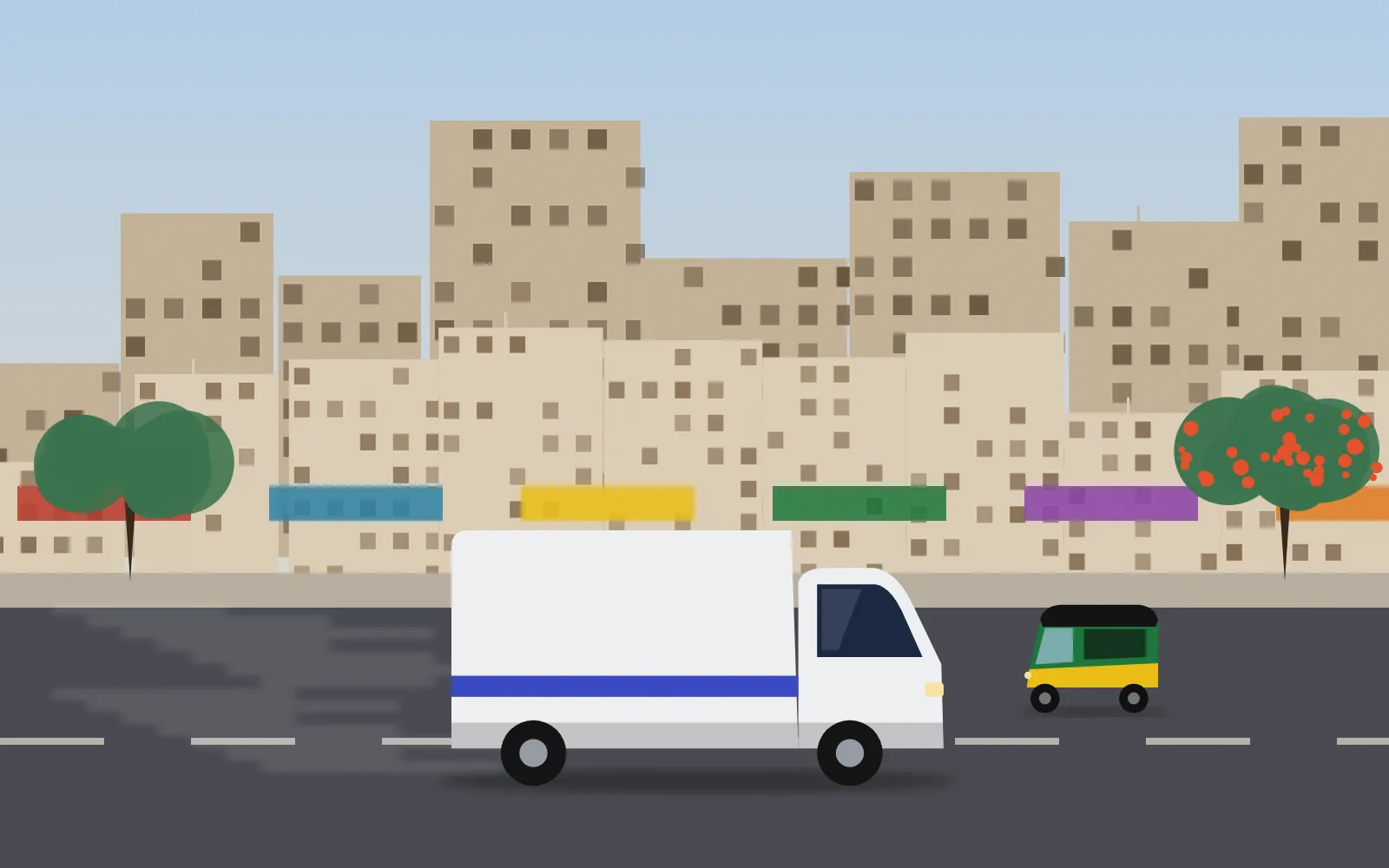
Motor insurers.
India's rules already allow Pay-As-You-Drive and Pay-How-You-Drive add-ons on own-damage motor cover. Drively supplies the behaviour data behind them: a score per driver, the six habits behind it, and how it changes over time.
Fleet operators.
Cabs, delivery and logistics fleets can see who drives safely, coach the rest and reward the best, without installing hardware in every vehicle.
A clear signal, not a data dump.
| You get | What it tells you |
|---|---|
| Driver Trust Score (300–900) | Overall driving behaviour, built from weeks of trips |
| Six habit scores (0–100) | Speeding, braking, acceleration, cornering, phone use, smoothness |
| Trend | Whether each driver is getting safer or slipping |
| Trip summaries | Distance, duration and the number and type of risk events per trip, never raw location history |
| Exports and API | Regular CSV reports, or a read API for your own systems |
We'd rather be straight with you.
Drively measures behaviour. Every point in the score traces back to something that happened on the road: seconds over the limit, harsh brakes per 100 km, seconds of phone handling while moving. Each threshold is documented and explainable.
It is not an actuarial model. We have not fitted it to claims, because we don't have yours. That is exactly what a pilot is for: you bring the loss history, we bring the behaviour signal, and together we find out how well one predicts the other on your book.
Anyone who tells you their phone-based score is already calibrated to your portfolio is guessing. We'd rather show you the working.
Every driver already carries the sensor.
- No hardware. Nothing to buy, ship or fit, so a pilot starts in days, not months.
- The driver, not the vehicle. The score follows the person across the vehicles they drive.
- Engagement built in. Drivers see their own score and what to improve, which is what changes behaviour.
Consent first. Always.
A driver joins your programme with an invite code and sees exactly what you will receive before agreeing. They can withdraw at any time, and you stop seeing them immediately.
For drivers who agree to share, you see scores, habits, trends and trip summaries, never raw location history. Trips and scores are stored in India (AWS Mumbai) and handled under India's Digital Personal Data Protection Act.
Start small. Decide on evidence.
Scope.
We agree the driver group, the length of the pilot and what success looks like.
Onboard.
Your drivers install Drively and join with your code. Setup takes minutes per driver.
Measure.
You receive scores and trends through the pilot, with a review at the end.
Talk to us about a pilot.
Tell us a little about your drivers. We'll reply within two working days.
Prefer email? Write to business@drively.club.